Secure the Plumbing Before Leaving on Vacation

How to Protect the Home and Plumbing While Traveling This Summer

With summer in full swing, many homeowners are packing their bags and preparing for well-deserved getaways. However, before heading out the door, taking a few precautions to protect the home’s plumbing system can prevent the nightmare of returning home from vacation to water damage from a burst pipe or an unnoticed leak. This post discusses the steps homeowners should take before leaving for vacation this summer, from preparing the water heater to shutting off the main water supply.

Prepare the Water Heater for Vacation
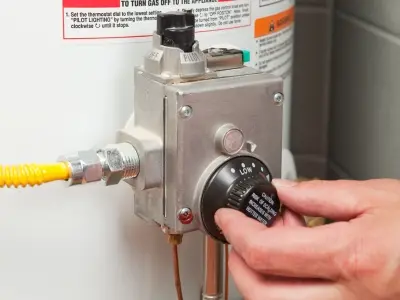
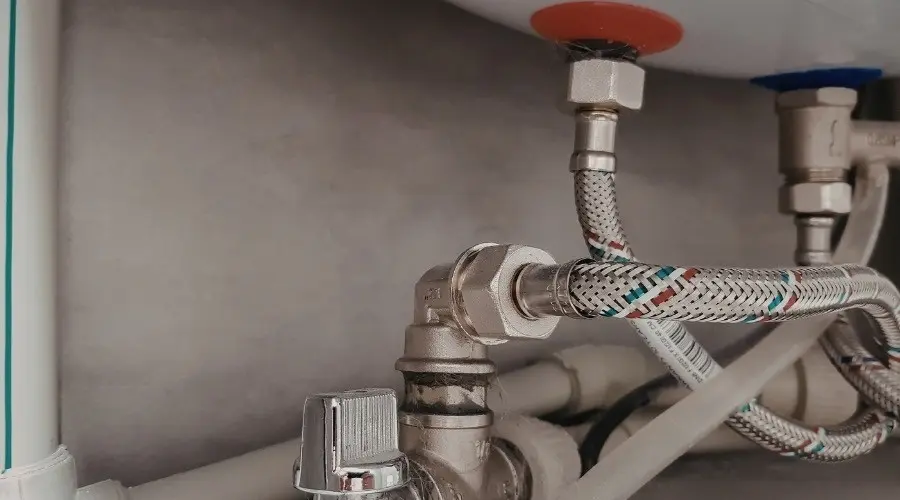
water heater One common question homeowners have before traveling is whether to turn off the water heater. While it may seem like a good way to save energy, turning off a water heater before a vacation typically isn’t recommended for short trips. The energy savings are minimal, and shutting the unit down can actually lead to additional problems. When a water heater sits idle with water inside, the temperature drops to a range that allows bacteria, including Legionella, to grow. This can create potential health hazards when the system is restarted upon returning home.

A better option is to set the water heater to vacation mode, a feature available on many units. Alternatively, homeowners can manually lower the thermostat to reduce standby heat loss and save on utility costs. The only scenario where it makes sense to turn off a water heater is when the home will be empty for an extended period of longer than a month. In that case, the unit should also be drained completely to prevent stagnant water from becoming a breeding ground for bacteria.

Check for Leaks Before Leaving
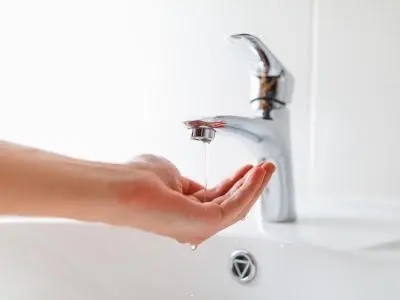
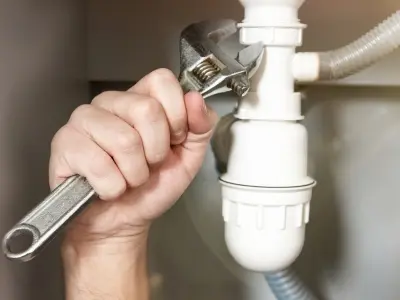
sinkTaking the time to inspect for leaks before heading out on vacation is an important step that’s easy to overlook. A small drip under a bathroom sink or a slow leak near a toilet may seem insignificant, but left unattended for days or weeks, these minor issues can escalate into serious water damage. Homeowners should check key areas throughout the home, including under sinks, around toilet bases, near appliance connections, and along visible pipes.

There are also several warning signs that can indicate a hidden water leak, such as low water pressure, water stains on ceilings or walls, signs of mold growth, musty odors, and higher-than-expected water bills. If any of these signs are present, calling a professional plumber for water leak repair before leaving is crucial. Resolving leaks before a trip can prevent expensive water damage, mold remediation costs, and excessive water bills that would otherwise accumulate while the home sits empty.

Shut off the Water

For homeowners planning an extended trip, turning off the home’s main water supply is an effective way to prevent flooding and water damage caused by burst pipes or leaks that may develop while away. By locating and closing the main water shut-off valve, the risk of water flowing through the plumbing system and causing damage is eliminated. This simple precaution provides peace of mind during a long trip.

The main water shut-off valve is usually found near where the main water line enters the home, often in a basement, utility room, or near the water meter. Homeowners who are unfamiliar with the location of their shut-off valve should locate it before leaving on their trip. Taking some time to shut off the water supply can prevent the costs of high water bills and water damage repairs from a leak or burst pipe.

About Warhold Plumbing, Heating and Air Conditioning

Warhold Plumbing, Heating and Air Conditioning is the most-reviewed plumbing, heating, and air conditioning company in Westmoreland County, serving Greensburg and the surrounding areas. They provide personalized service, straightforward pricing, and no mess left behind. Call for plumbing services in Greensburg, PA.

A Guide to Air Conditioner Replacement and Upgrades

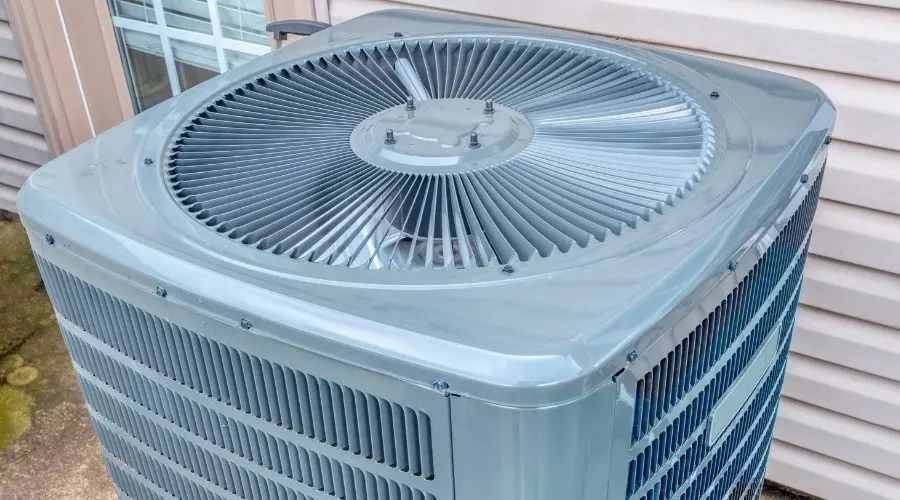
Modern air conditioning condenser unit for AC replacement and improved home comfort.

Important AC Replacement Basics to Know

As temperatures rise, a household’s reliance on the air conditioning system increases. Nobody wants to deal with a breakdown and a loss of cooling during the hottest months of the year. However, every AC system eventually reaches the end of its lifespan, necessitating professional air conditioning replacement.

Deciding to invest in a new cooling system is a significant step for any property owner. Understanding the differences among AC system types helps ensure that the selected upgrade provides long-term value and benefits. This post discusses some common signs indicating the need for air conditioner replacement, the benefits of replacing an old AC unit, and the types of AC systems.

Signs to Replace an Air Conditioner

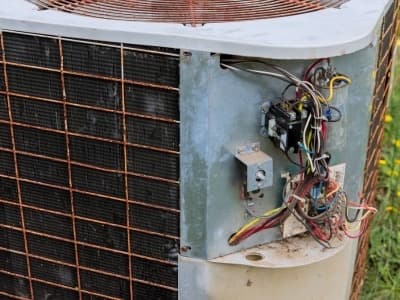
old hvac One of the most common indicators that AC replacement is necessary is the age of the equipment. When an air conditioner is over 10 years old, it may start to slow down or experience recurring mechanical issues. While minor repairs might provide temporary relief, an aging system eventually loses the ability to keep up with cooling demands. If an AC unit is over 10 years old and experiencing problems, it may be time for a replacement.
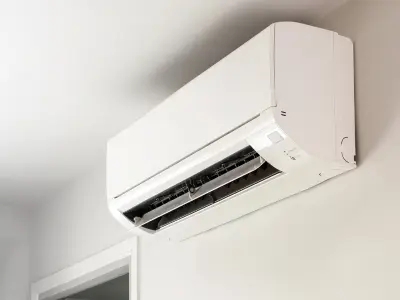
Homeowners should also pay attention to their monthly utility expenses. High energy bills may be due to an old, inefficient AC unit in need of replacement or another issue that needs to be addressed. Furthermore, if the air conditioner requires frequent repairs, the cumulative cost of these service calls often exceeds the investment of a brand-new air conditioning installation. A lack of cooling and inconsistent temperatures throughout the house are additional red flags that the system should be inspected to determine whether AC repair or replacement is necessary.

Advantages of Replacing an Old AC Unit

Installing a new AC system to replace an old, inefficient one offers a variety of immediate and long-term benefits. One immediate benefit of a new air conditioner installation is a drastic improvement in energy efficiency. Modern AC units are more efficient than older models. In addition, air conditioners lose efficiency with age. So, replacing an aging system with a new, energy-efficient one will lower the household’s monthly cooling costs.

In addition to financial savings on energy bills, a new AC system significantly reduces the risk of needing repairs, which helps save on future repair costs. With updated components and manufacturer warranties, homeowners can enjoy peace of mind knowing their cooling is more reliable. A new AC installation also provides enhanced comfort due to its reliability and lack of wear and tear on the system. The replacement and new AC installation process also offers an opportunity to resize the AC unit if necessary. If a home has undergone renovations or additions, a technician can ensure the new system is perfectly sized for the household and its needs. 

Choosing a Type of AC System

acDuring the process of replacing or installing an air conditioner, the decision about which type of air conditioning system to install typically centers on two main options: a ductless mini-split system or a traditional central AC system. Both options offer distinct advantages, so which to install depends on the home’s architecture, the residents’ specific needs, and budget.

A central air conditioning system is often the preferred choice for homes that already have ductwork in place. These systems have lower installation costs because the infrastructure is already in place. Additionally, a central AC is largely out of sight, utilizing vents that blend into the ceiling or walls with air ducts behind them. However, central AC systems have higher operating costs due to energy losses in the ducts and having to cool the entire home simultaneously.

A ductless mini-split offers a modern, energy-efficient alternative to central air conditioning that does not require ducts. Due to their greater energy efficiency, they have lower monthly operating costs. A ductless mini-split system also provides exceptional room-by-room temperature control, allowing users to cool different zones of the home independently. While the upfront cost to install a ductless mini-split system is higher and they are more visible, the long-term energy bill savings and flexible installation options make them a compelling choice for many modern households. 

About Warhold Plumbing, Heating and Air Conditioning

Warhold Plumbing, Heating and Air Conditioning is a family-owned and operated company serving the Irwin community and surrounding areas. They provide personalized service, straightforward pricing, and improved home comfort. Call for air conditioning replacement and installation services in Irwin, PA. 

The Value of Proactive Plumbing Maintenance

Plumbing system inspection and maintenance for improved home water efficiency.

The Importance of Annual Plumbing Maintenance

A home’s plumbing system quietly works around the clock, and without proper attention, small vulnerabilities can silently grow into serious problems. Scheduling annual plumbing maintenance is the proactive step that keeps a plumbing system performing at its peak while protecting homeowners from unexpected failures. From water heater upkeep to pipe inspections, routine maintenance covers every corner of the system before issues can take hold.

Improved Efficiency and Lower Utility Costs

save money Water waste is one of the most overlooked contributors to high utility bills, and routine plumbing inspections are the most reliable way to catch it early. Licensed plumbers are trained to detect hidden water leaks behind walls, under slabs, and within fixtures that homeowners would never notice on their own, and addressing these leaks promptly restores water efficiency right away. Each repair made during a scheduled visit translates directly into measurable savings on monthly water bills.

Beyond water leaks, the water heater is one of the most energy-intensive components in any home, and its efficiency quietly declines without regular maintenance. Routine water heater maintenance, including draining and flushing the tank to remove sediment buildup, allows the unit to heat water faster and with less energy. The result is a noticeable reduction in energy consumption that reflects on every utility bill throughout the year.

Sediment, mineral deposits, and worn components all force a plumbing system to work harder than necessary, and the energy required to compensate adds up over time. Preventive plumbing care removes these inefficiencies before they become costly habits embedded in the system. Consistent annual maintenance keeps every fixture, pipe, and appliance running at optimal performance levels.

Reduced Risk of Costly Repairs

plumbing One of the greatest values of professional plumbing maintenance is the ability to identify problems while they are still minor, long before they demand expensive intervention. During a routine visit, skilled plumbers examine the entire system for early warning signs such as corrosion, pressure irregularities, slow drains, and worn seals that, left unaddressed, can escalate into burst pipes or sewer line failures. Catching these concerns early keeps repair costs manageable and prevents the kind of emergency plumbing situations that disrupt daily life.

The cost of a comprehensive plumbing inspection is a fraction of what emergency repairs demand, especially when water damage to walls, flooring, or foundations enters the picture. Routine maintenance creates a consistent record of the system’s health, giving plumbers the context needed to spot trends and address developing issues with precision. Homeowners who invest in preventive care rarely face the financial shock of a plumbing crisis.

Plumbing repairs become exponentially more complex when problems are allowed to compound over time, and the damage they cause can spread quickly to adjacent systems and structures. Regular professional maintenance interrupts this cycle by addressing vulnerabilities at their source before cascading damage occurs. The peace of mind that comes from knowing the plumbing system has been thoroughly inspected is itself a benefit that homeowners continue to appreciate long after the visit.

Extended Lifespan for the Plumbing

Every pipe, fixture, and water heater in a home is subject to the gradual effects of wear and corrosion, but the rate at which these components deteriorate is heavily influenced by how well they are maintained. Annual plumbing maintenance addresses the conditions that accelerate breakdown, including mineral buildup, water pressure imbalances, and early-stage corrosion that quietly weakens materials over time. By keeping these factors in check, routine care significantly slows the aging process across the entire plumbing system.

Piping systems that go without maintenance are far more susceptible to premature failure, leading to the need for pipe replacement or full system overhauls years before their expected service life ends. A plumber conducting routine inspections can lubricate fittings, clear blockages, and treat corrosion-prone areas in ways that extend the functional life of every component. Each visit adds years to the system’s lifespan and pushes back the timeline for costly plumbing replacement.

Water heaters, in particular, benefit enormously from annual attention because sediment accumulation and anode rod degradation are the leading causes of premature tank failure. Flushing the tank, inspecting the anode rod, and checking pressure relief valves are all standard steps in a maintenance visit that can add years to a water heater’s operational life. Protecting plumbing investments through regular care is one of the smartest long-term decisions a homeowner can make.

Call Warhold Plumbing, Heating and Air Conditioning

Warhold Plumbing, Heating and Air Conditioning is a plumbing, heating, and cooling expert company serving Greensburg, PA, and beyond. They offer accurate solutions, comprehensive assessments, and a no-mess guarantee. Call them today for water heater installation and repair in Greensburg, PA.

Smarter Cooling Comfort With Ductless Mini Splits

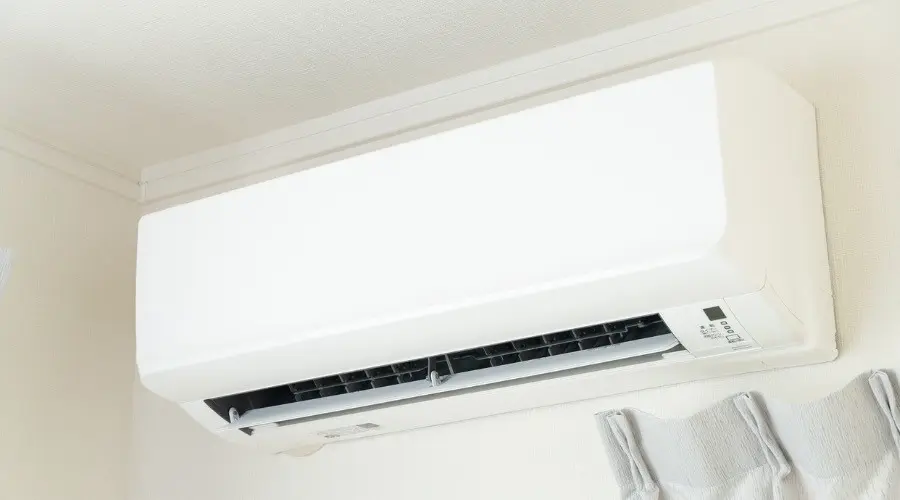
Ductless mini split air conditioner mounted on a wall, highlighting energy-efficient cooling and heating solutions for improved home comfort.

Why Install a Ductless Mini Split Air Conditioner?

A ductless mini split air conditioner offers targeted comfort without the need for bulky air ducts, making it an appealing option for many different property layouts. Unlike traditional central systems, a ductless mini split system delivers cooled or heated air directly into individual rooms, improving control and often reducing wasted energy. Because the indoor and outdoor components connect through small lines instead of full ductwork, installation can be less invasive and more adaptable. This overview highlights how a ductless mini split AC system can support better energy efficiency and lower monthly bills, why ductless mini split installation works well for older homes or additions, and how zoning features provide tailored temperatures in separate areas.

Lower Energy Bills

save money A major advantage of a ductless mini split system is its potential to trim cooling and heating costs. Traditional setups push conditioned air through long runs of ductwork, where leaks, loose joints, or poor insulation can allow cooled air to escape before reaching living spaces. A ductless mini split air conditioner avoids that problem by sending air straight into the room, reducing losses tied to damaged or aging air ducts. Many modern units also modulate output rather than cycling on and off repeatedly, which can support better energy efficiency during long run times. Over an entire season, these design differences can translate into noticeably lower utility bills when paired with thoughtful thermostat settings and regular maintenance.

Easier Installation and Flexibility

For homes that lack existing ductwork, a full central system can require extensive demolition and reconstruction. In contrast, ductless mini split installation typically needs only a small wall opening for refrigerant lines and electrical connections. This streamlined process often makes a ductless mini split AC system ideal for retrofitting older properties, finished basements, attics, or garages where new ducts would be difficult to conceal. Room additions, in-law suites, and home offices can gain independent comfort without overloading an existing central unit. Installers can position indoor air handlers high on walls, recessed in ceilings, or even as floor-mounted units, offering flexibility that suits unique room shapes and design preferences.

Zoning and Customization

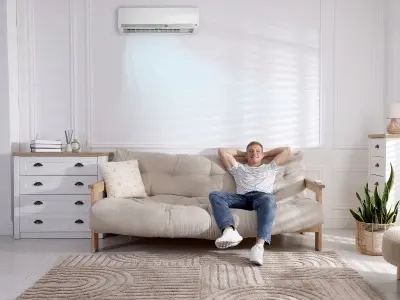
acDuctless technology also shines in its ability to create custom comfort zones. Each indoor unit of a ductless mini split can typically be controlled independently, so bedrooms, living areas, and workspaces do not have to share a single temperature. This zoning approach prevents overcooling rarely used rooms just to keep busy spaces comfortable, which can support both energy savings and better comfort. Different occupants can select settings that match personal preferences, whether cooler sleeping temperatures or warmer living areas. Timers and programmable controls on many ductless mini split systems further enhance customization, allowing schedules that match daily routines and limit wasted runtime.

About Warhold Plumbing, Heating and Air Conditioning

Warhold Plumbing, Heating and Air Conditioning is a plumbing, heating, cooling, and indoor air company committed to providing expert service in Irwin and the neighboring areas. With straightforward pricing, a no-mess-left-behind guarantee, and personalized service, they provide peace of mind on every job. Call them today for ductless mini split installation in Irwin, PA.