
Are you building a small home and trying to figure out how to keep your small space cool? Or do you want to ensure that you have an icy cold bedroom this summer? Both are increasingly common issues as more and more customers are looking for creative and efficient ways to cool their home.
Plus, small homes are trendy right now as minimalist lifestyles become ever more popular. For many, these can lead to questions about the most practical ways to cool small homes.
Whether you’re trying to cool a small home or interested in bedroom installations, there are a variety of good options. Today we’ll discuss some of the pros and cons of three popular solutions: portable air conditioners, ductless HVAC systems, and smart thermostats.
Enjoy Versatility With Portable Air Conditioners
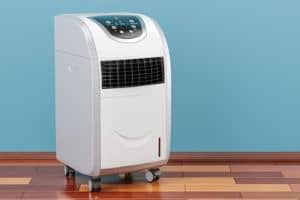 If you’re focused on bedroom installations, portable air conditioners are a good solution. These systems are basically ready to go out of the box. All you have to do is hook up an exhaust hose, and you’re ready to go.
You can easily connect this hose to a window with the included window kit. Portable air conditioners are effective for cooling a single room, and they work by removing hot air and moisture from the room.
Unlike window units, they give you the option of having access to your window and involve almost no installation. It’s important to note, however, that they generally use more energy than window units, which is an important consideration if you’re going to use it a lot. These systems work well for anyone trying to cool a single room but are more ideally suited for those looking to cool a bedroom as opposed to those trying to find a small home solution.
Is Ductless HVAC System Right For You?
 Ductless HVAC systems are energy-efficient ways to cool single rooms. You’ll need to install a system in each room that you want to cool, which involves just a mounted wall unit and an outdoor compressor.
While these systems involve more upfront costs than other options, they are very efficient and will save you money on your monthly utility costs. As an added bonus, these systems are especially good at providing consistent climate control.
You do have to change each unit’s filter once a month, which is more maintenance than other comparable systems. That said, if you can deal with upfront costs and a little bit of maintenance, these are efficient and effective ways to cool either a bedroom or a small home.
Get Complete Control with Smart Thermostats
 When thinking through ways to keep their bedroom cool, most people don’t consider smart thermostats. However, some models of smart thermostats give you the option of controlling the temperature of your home room by room.
This means that you can have the icy, cold bedroom that you want without having to cool your entire house. It’s a win-win, giving you the luxury of a cold room without adding a system or overworking your HVAC unit.
Plus, installing a smart thermostat will give you the opportunity to maximize the efficiency of your entire system and help you to save energy and money. While their often not the first thing that comes to mind when considering bedroom installations, smart thermostats can be an effective way to ensure that you sleep comfortably this summer.
If you have any questions about air conditioning units or are in need of an installation, call us today at (724) 382-4844.


 Older homes don’t typically have ductwork. So, before you purchase your new central air conditioner, you will have to install the ductwork.
  Putting in a central air conditioning unit in your older home will cost anywhere between $3,500 to $5,000.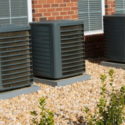
 A central AC system will keep your entire home cool and comfortable when it is hot outside.
  If you are on a tight budget, you can still keep cool on hot days with a window AC unit.
  Before you spend your hard earned money on air conditioning, consider the benefits and drawbacks of each system. Central AC cools your entire home, whereas window AC units only cool a single room.