
Summer’s almost over which means it’s back to school season! But that’s not only for kids, today you will learn a thing or two about one of the most important things in your home. The water heater.
It might not be as exciting as P.E. but it’s definitely important to be familiar with, especially with the winter months coming up ahead. Today, you’ll leave with a basic understanding of how water heaters work, how to maintain them, and how to know when to replace them. Ready?
Water Heater Basics: How They Work
A water heater is a fixture commonly found in the laundry room or basement and typically looks like a big metal drum. It collects water and heats it up with mechanisms on the bottom or inside, then sends it to where it’s being summoned in your home.
There are other types of water heaters but they all serve the same function and work in similar ways. Using the principle that hot water rises, water heaters allow for heated water to rise up to the top of the tank and flow up the plumbing and into your home.
The most commonly found are:
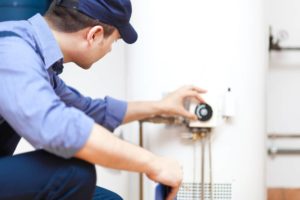 Gas Water Heater – Heats water using a gas burner. The burning gas releases very hot (and toxic) air through a metal chimney in the center of the tank, and is expelled to the air outside — simultaneously heating the water surrounding the hot chimney.
- Electric Water Heater – Works similarly to the gas water heater, except it uses electric elements to heat up the water inside. Coldwater comes in through a dip tube, is then heated using the electric technology, and the rising hot water goes out the “hot-pipe” and into your home. This one needs to be connected to a power supply.
- Tankless Water Heater – Aka. “On-Demand Heater” Is an electric water heater that heats up water when you need it, and does not waste energy by heating and reheating the same tank water. Since it’s small it can be installed almost anywhere and could provide hot water to your whole home or specific fixtures. It tends to be more expensive, but consumers find it more sustainable.
Something else that you should be familiar with are the parts of your water heater. What do all these valves do?
How To Keep Your Heater Healthy
 Maintenance! Now that you’re familiar with the parts, make sure your water heater’s levels and valves are all at a balance. Ensure that the thermostat keeps your water at a safe temperature – recommended to be around 120 degrees F.
Test the pressure relief valve frequently, check and replace the anode rod after it rusts. Over time, water minerals start accumulating at the bottom of your tank, reducing its efficiency. Make sure to flush out sediment and buildup annually.
Here’s a quick how-to:
- Turn the water heater off to cool down the water.
- Turn off the cold water too, to prevent cold water from coming into your heater.
- Attach a hose to the drain valve on the side of the tank, and turn on a few faucets in your home. This helps eliminate any vacuum in your plumbing.
- Open up the drain valve and watch the water pour out into a bucket or drain. When the water starts running out, close the drain valve, and turn on your Water Heater.
- Run your faucets and allow up to 30 minutes to have clear, hot water again!
When To Fix Your Water Heater
If you’ve done all of the above things and your heater is still complaining, it might be time to call in a specialist. Interference from overheating, sediment buildup, and corrosion can prevent your machine from heating the way it needs to. Here is a list of symptoms your heater may be having that require professional help.
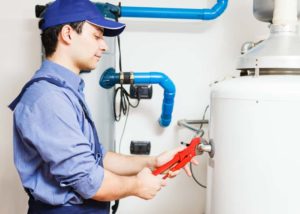 Water Heater Noise – popping or rumbling noises is not a party inside your heater. This is usually caused by a sediment layer along the walls of your tank. If flushing out the dirty water doesn’t fix it, you could be at risk of a cracking/leaking tank. Replace it as soon as you can.
- Cloudy Water – Also caused by sediment and mineral buildup. Metals in the water create a murky look, while rust causes red or orange water. Both are bad and both require inspections.
- Faulty Pressure Valve – Buildup of salt, rust, or corrosion can prevent a pressure valve from working efficiently. If the pressure valve is not working as it should, it could cause an explosion. If it’s just the valve that’s off, the valve could be fixed or replaced. No need to replace the whole heater.
- Leaking Tank – If water is dripping from the tank to the floor it means that the integrity of the system is cracked or broken and will need to be replaced fully.
See, it’s not very complex and you won’t be tested on the material, but it’s important to know! Don’t let your water heater explode, because it’s scary and dangerous, and will cost you a lot of money and comfort.
If you’re still unsure about the state of your water heater, please call our pros at Warhold Plumbing, Heating and Air Conditioning to see if you are in need of a replacement or simply a repair.